

When Is Bone Grafting Necessary for Dental Implants in Marietta?
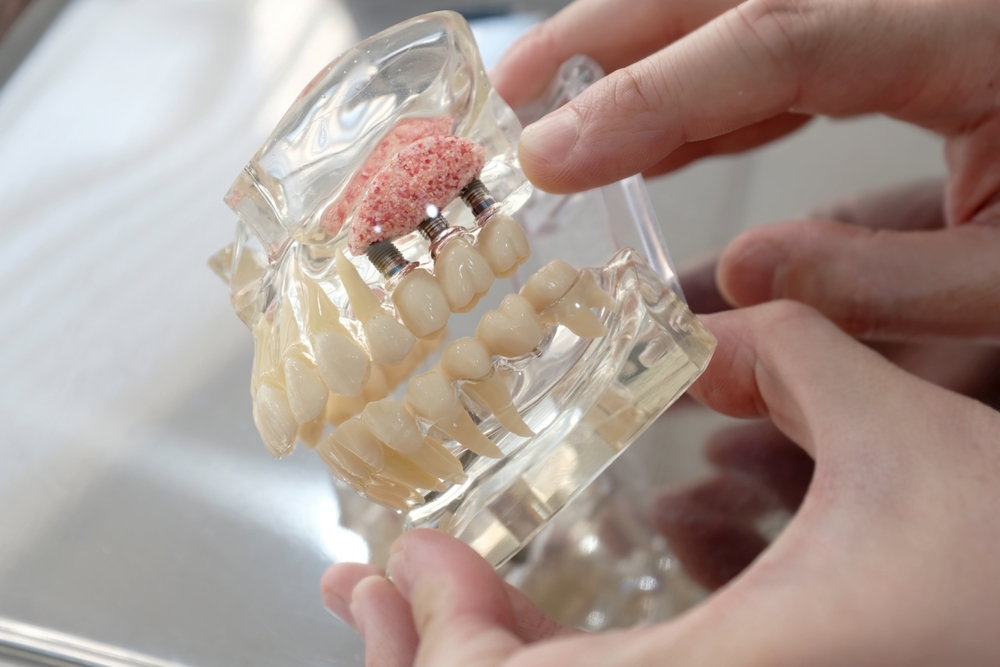
Dental implants need a stable foundation of healthy jawbone. Some Marietta patients have enough bone to support an implant without additional treatment. Others have experienced bone loss from missing teeth, gum disease, infection, injury, or natural anatomy. In those cases, bone grafting may help rebuild the area and create better support for implant placement.
Why Strong Jawbone Support Is Essential for Dental Implants
A dental implant is placed directly into the jawbone, where it gradually integrates with the surrounding bone. If the ridge is too narrow, too short, or not dense enough, the implant may not have the support it needs. Bone grafting adds material to the treatment area, providing a framework that allows new bone to develop. The goal is is to create a stable, properly shaped foundation for a functional and natural-looking implant restoration.
Common Reasons a Bone Graft May Be Recommended
During a dental implant evaluation in Marietta, we may identify one or more conditions that make grafting beneficial:
• A tooth has been missing for several months or years
• A recent extraction left a damaged or thin socket
• Gum disease or infection caused bone loss
• The upper back jaw has limited bone beneath the sinus
Bone can begin shrinking after a tooth is lost because the area no longer receives normal stimulation from the tooth root. Socket preservation performed around the time of extraction may help maintain the ridge for a future implant. In the upper back jaw, a sinus augmentation may be considered when there is not enough bone height for secure implant placement.
Can Bone Grafting and Implant Placement Happen Together?
A small graft may be completed during an extraction or at the same appointment as implant placement. When bone loss is more significant, the graft may need time to heal and develop before the implant is placed.
The treatment sequence depends on the location of the missing tooth, the amount and quality of available bone, gum health, and the type of restoration planned. We use a detailed examination and dental imaging to determine the safest and most predictable approach for each patient.
What to Expect From the Evaluation
Not every dental implant patient needs bone grafting. Our first step is to evaluate the jaw, surrounding teeth, gums, bite, and overall oral health. We then explain whether the implant site is ready, whether a smaller preservation graft may help, or whether more extensive ridge or sinus augmentation should be considered.
This planning stage gives Marietta patients a clear understanding of the process before treatment begins. It also allows us to build a personalized plan based on long-term function, comfort, and appearance.
Find out whether bone grafting is part of your path to a stronger smile by scheduling a dental implant consultation with Reilly Dental. Contact our office in Marietta, GA, by calling (470) 524-3798 to book an appointment today.
All Services
Learn More
Keep
In Touch


Managed and Designed by:
